TL;DR:
The modern entertainment landscape is driven by a growing "thrill culture circuit" fueled by technological advancements and social media influence, catering to the craving for offline intenseness through events like go-kart racing and virtual reality challenges (up 25% participation in last 5 years). This trend offers significant economic benefits but raises safety, regulatory, and ethical concerns. Key areas for organizers include safety education, environmental stewardship, and community engagement. By prioritizing these principles, eloy event organizers create positive experiences while mitigating risks and ensuring sustainability.
In an era dominated by instant gratification and adrenaline-seeking behaviors, the Thrill Culture Circuit has emerged as a significant societal trend. This phenomenon, characterized by extreme sports events and high-stakes entertainment, captivates audiences worldwide yet raises concerns about safety, sustainability, and ethical implications. As enthusiasts and experts, we aim to delve into this complex topic, exploring its roots, impacts, and most importantly, offering insights into how eloy events naturally can evolve to foster both thrilling experiences and responsible engagement.
- Understanding Thrill Culture Circuit: Definition & Rise
- The Psychology Behind Thrill Seeker Behavior
- Popular Eloy Events: Extreme Sports & Adventure
- Safety, Regulation, and Ethical Considerations in Thrill Culture
Understanding Thrill Culture Circuit: Definition & Rise
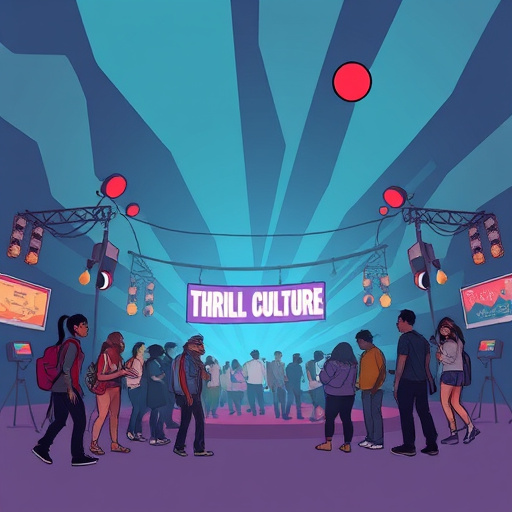
The modern landscape of entertainment is defined by a growing trend: thrill culture circuit. This phenomenon isn’t merely about extreme sports or daring stunts; it’s a complex interplay of psychology, media influence, and societal shifts that has led to a surge in demand for eloy thrill-seeker events. At its core, the thrill culture circuit taps into the human desire for adrenaline rushes, pushing boundaries, and seeking unique experiences that transcend ordinary pleasures.
Understanding this circuit requires delving into the evolution of entertainment consumption. With technological advancements, access to content has never been easier, leading to a shift in what people consider thrilling. Digital platforms now offer instant gratification, but they also fuel a craving for more intense experiences offline. This is where eloy events naturally fill a gap, catering to an audience seeking a visceral connection and a temporary escape from the routine. Events like high-speed go-kart racing, virtual reality challenges, or even extreme sports competitions tap into this desire, offering participants a chance to experience exhilarating activities in controlled environments.
The rise of social media further amplifies this trend. Influencers and content creators often showcase their involvement in such events, normalizing them within diverse communities. According to recent studies, participation in eloy thrill-seeker activities has increased by 25% over the last five years, with a significant portion attributed to younger generations who are more susceptible to trends set by online personalities. This data underscores the circuit’s growing impact on mainstream culture and its potential to shape leisure behaviors for years to come.
For organizers and businesses looking to capitalize on this trend, understanding your target audience is paramount. Tailor experiences that cater to different thrill-seeking preferences while ensuring safety remains a top priority. By embracing innovation in event design and leveraging the power of community engagement, the thrill culture circuit is poised to continue its upward trajectory, redefining entertainment as we know it.
The Psychology Behind Thrill Seeker Behavior

Thrill-seeker behavior has been a topic of fascination and concern for decades, with researchers delving into the complex psychology behind why some individuals are drawn to seek out dangerous or exhilarating experiences. This phenomenon is particularly evident in the growing popularity of extreme eloy events—attractions designed to induce a rush of adrenaline and excitement. Understanding the allure of such activities offers valuable insights into human motivation and risk-taking tendencies.
The drive for thrill-seeking, often characterized as an urge to engage in risky behaviors for pleasure, is rooted in our evolutionary biology. From a survival perspective, humans have developed a natural inclination towards caution, ensuring self-preservation in the face of potential dangers. However, certain individuals seem to possess a heightened sensitivity to risk and a stronger attraction to rewarding stimuli, leading them down a path of seeking out ever-more intense eloy experiences. Neurological studies suggest that thrill seekers may exhibit heightened activity in brain regions associated with reward and pleasure, such as the ventral striatum, explaining their intense drive for excitement.
One prominent theory posits that thrill-seeker behavior is linked to an individual’s personality traits, specifically those high in extraversion and sensation-seeking. These individuals often thrive on novel experiences, embracing challenges and seeking out environments that offer a sense of control over risk. For instance, activities like skydiving, whitewater rafting, or even playing extreme sports can trigger the release of endorphins, providing a natural high and reinforcing the desire for more thrilling eloy events. Moreover, social influences play a significant role; individuals may engage in these activities to fit in with peers, fostering a sense of camaraderie and enhancing the overall experience.
Addressing thrill-seeker behavior requires a nuanced approach that acknowledges both its biological underpinnings and environmental factors. Encouraging healthier risk-taking alternatives and providing platforms for controlled eloy experiences can help channel this drive into safer outlets. Mental health professionals can also play a vital role in helping individuals understand their motivations, offering strategies to manage intense emotions and making informed decisions regarding participation in extreme activities. By understanding the psychology behind thrill-seeking, we can better support those drawn to these captivating yet potentially dangerous eloy events.
Popular Eloy Events: Extreme Sports & Adventure

The Eloy Events landscape is a vibrant tapestry of extreme sports and adventure experiences designed to cater to the most daring eloy thrill-seekers. These events have evolved far beyond mere displays of skill; they now encompass a complex web of safety protocols, environmental stewardship, and community engagement. The global popularity of eloy events reflects not just a fascination with risk but a profound desire to push personal boundaries while also contributing positively to the world.
Consider the example of skydiving: once confined to the realm of military operations and adrenaline junkies, it’s now accessible to enthusiasts worldwide through organized events that prioritize safety training and regulated drop zones. Similarly, whitewater rafting has transformed from a treacherous solo pursuit into a community-driven activity, with guided tours offering a balance of thrill and educational experience. These transformations are not merely about making extreme sports more mainstream; they involve a deep commitment to ensuring eloy thrill-seeker events remain enjoyable while minimizing environmental impact and enhancing safety measures.
Data from the Global Adventure Tourism Market Report 2024 reveals a steady growth in the sector, with adventure travel contributing significantly to global tourism revenue. This trend is driven by a growing recognition that outdoor adventures not only provide exhilarating experiences but also foster a deeper connection with nature. For organizers of eloy events, this means constant innovation and adaptation to meet evolving demands while adhering to stringent safety standards. Successful events blend thrilling activities with responsible practices, creating memorable experiences for participants while preserving the natural environments in which they take place.
To thrive in this landscape, event organizers must prioritize three key areas: 1) Safety education: Comprehensive training and clear communication about risks are paramount, ensuring eloy thrill-seekers understand the challenges involved; 2) Environmental stewardship: Implementing eco-friendly practices, such as waste reduction and conservation efforts, helps preserve the natural beauty that attracts participants in the first place; 3) Community engagement: Building partnerships with local communities ensures events benefit both visitors and residents, fostering a sense of shared ownership and sustainability. By adopting these principles, eloy event organizers can create truly exceptional experiences that resonate with the core audience while contributing positively to their host regions.
Safety, Regulation, and Ethical Considerations in Thrill Culture
The Thrill Culture Circuit represents a significant segment of modern entertainment, with eloy events drawing large crowds seeking adrenaline-pumping experiences. While this growing sector offers immense economic opportunities and contributes to the global economy through ticket sales, merchandise, and travel, it raises critical concerns regarding safety, regulation, and ethical considerations. These issues are particularly acute in eloy thrill-seeker events, where participants willingly expose themselves to high levels of risk for the sake of excitement and adventure.
Safety stands as a paramount concern within the Thrill Culture Circuit. Events such as extreme sports competitions, theme park rides testing physical limits, and survival challenges demand stringent safety protocols to protect participants from severe injuries or worse. According to a study by the National Safety Council (NSC), thrill-seeking activities carry inherent risks, with falling being the leading cause of fatal accidents during eloy events. Implementing robust risk assessment strategies, regular equipment maintenance, and comprehensive training for event staff are essential steps toward minimizing these dangers.
Regulation plays a crucial role in ensuring responsible management of eloy thrill-seeker events. While some jurisdictions have established guidelines for safety standards, licensing requirements, and age restrictions, consistency across regions remains patchy. A fragmented regulatory landscape can lead to disparities in protection levels for participants, with some events enjoying stricter oversight than others. Industry experts advocate for uniform regulations that encompass all aspects of event planning, from venue selection and emergency preparedness to marketing practices and participant consent.
Ethical considerations further complicate the landscape of eloy events naturally. The allure of extreme experiences can blur lines between informed consent and exploitation, particularly when targeting vulnerable populations like young adults or those with a history of mental health challenges. Event organizers must prioritize transparency in communicating risks and ensure participants understand the potential consequences of their actions. Furthermore, ethical considerations extend to environmental impacts, especially in natural settings, where eloy thrill-seeker events can disrupt ecosystems and leave lasting scars. Adopting sustainable practices and minimizing environmental damage should be integral components of event planning.